

How to Build the Right Lipedema Treatment Plan

Understanding conservative and surgical treatments
Being diagnosed with lipedema can feel overwhelming very quickly.
Suddenly, you are faced with endless information: compression garments, lymphatic drainage, surgery, anti-inflammatory nutrition, supplements, specialists, recovery protocols…
And somewhere in the middle of all of this, many women are left wondering:
"Where do I even start?"
One of the most important things I’ve learned through my own journey is this:
There is no single “perfect” treatment plan for lipedema.
What works for one woman may not work the same way for another — because everybody, every stage, every nervous system, and every life situation is different.
The goal is not perfection. The goal is to build a treatment plan that supports your body sustainably over time.
There Is No One-Size-Fits-All Approach
Lipedema management is rarely about just one treatment. For most women, it becomes a combination of:
compression
movement
lymphatic support
inflammation management
emotional support
and sometimes surgery
Some women prioritise conservative management for years before considering surgery. Others reach a point where surgery becomes an important part of improving mobility, pain, or quality of life.
Neither path is “more correct.”
Your treatment plan should evolve with your body and your needs.
Key Components of a Lipedema Treatment Plan
An effective lipedema treatment plan combines several approaches tailored to the individual's stage of lipedema, symptoms, and lifestyle. The main components include:
1. Lipedema Conservative Treatments
Conservative treatments are the first line of defence and focus on managing symptoms without surgery. These include:
Compression Therapy: Wearing compression garments helps reduce swelling and supports lymphatic flow. Proper fitting is crucial for comfort and effectiveness.
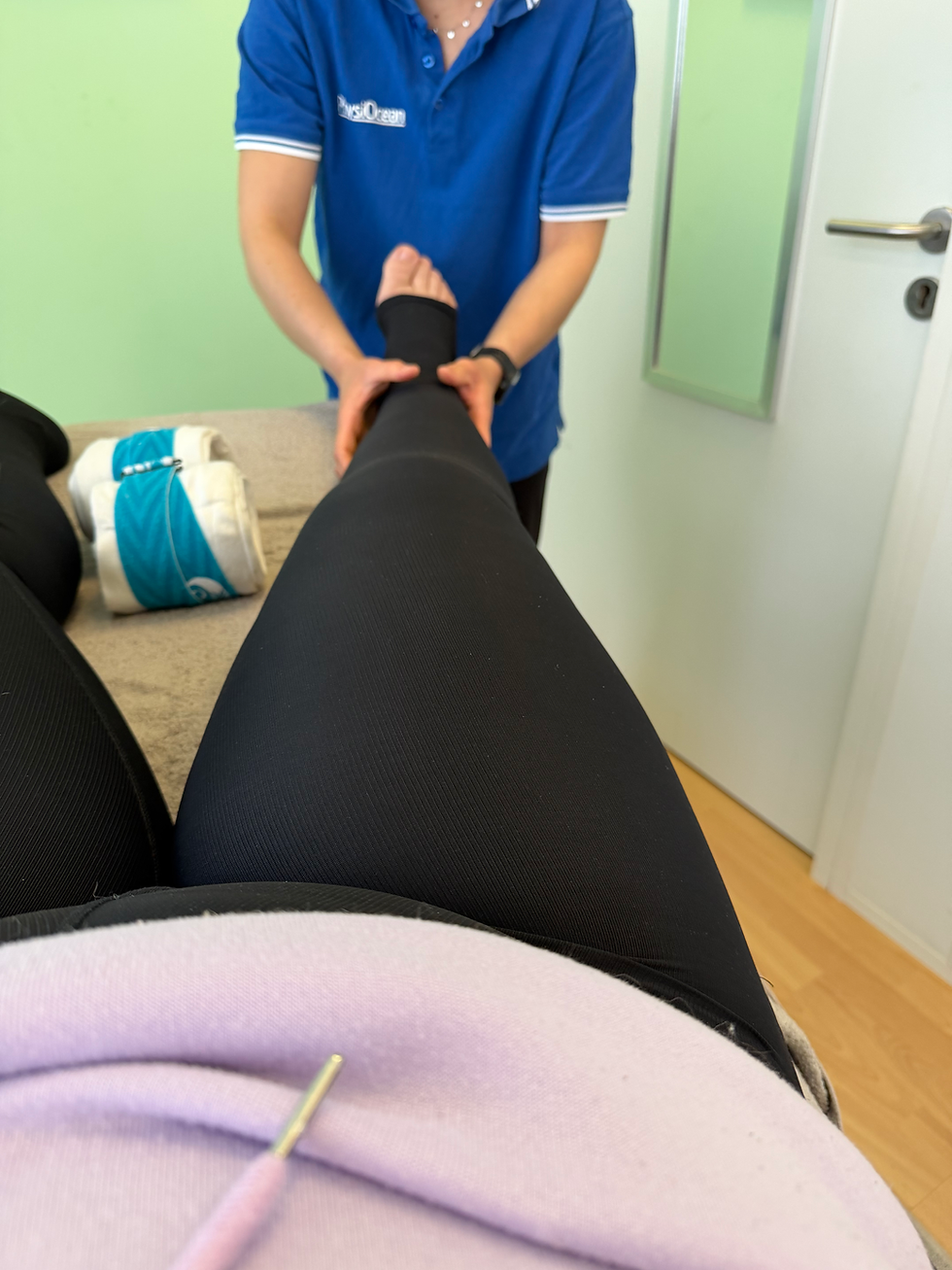
Manual Lymphatic Drainage (MLD): Specialised massage techniques stimulate lymph flow and reduce fluid buildup. Regular sessions can ease pain and improve mobility.
Exercise: Low-impact activities such as swimming, walking, and cycling improve circulation and muscle tone without stressing joints.
Nutrition: While diet alone cannot cure lipedema, anti-inflammatory foods and balanced nutrition support overall health and may reduce swelling.
These treatments require consistency and patience but form the foundation of long-term management.
2. Lipedema Surgery Options
For many women, conservative treatments are not enough to control symptoms or reduce fat deposits. Lipedema surgery, particularly liposuction designed for lipedema, can remove abnormal fat and improve limb shape and function. Important points include:
Surgery is not a cure but a tool to reduce fat and improve quality of life.
Surgery requires careful planning and should be performed by surgeons experienced in lipedema.
Post-surgery compression and lymphatic care remain essential to maintain results. Conservative treatments should become part of your daily routine even after surgery.
Surgery can significantly reduce pain and improve mobility, but it is part of a broader treatment plan.

3. Lymphatic Care and Monitoring
Lipedema often overlaps with lymphatic system issues, so ongoing lymphatic care is vital. This includes:
Regular lymphatic drainage sessions to prevent fluid buildup
Skin care to avoid infections such as cellulitis
Monitoring for signs of lymphedema, which can develop alongside lipedema
Education on self-care techniques, including gentle skin brushing and elevation
Maintaining lymphatic health supports overall treatment success and reduces complications.
4. Long-Term Management and Lifestyle Adjustments
Lipedema requires lifelong management. Women benefit from:
Developing a daily routine that includes compression, exercise, and skin care
Seeking emotional support through counselling or mentoring
Staying informed about new research and treatment options
Working closely with healthcare providers to adjust the plan as needed
A sustainable lifestyle approach helps maintain improvements and enhances well-being.
How to Build Your Personalised Lipedema Treatment Plan Around Your Real Life
One of the biggest mistakes women make is trying to follow treatment plans that are impossible to sustain.
A realistic treatment plan matters more than an extreme one.
Your plan should take into account:
your energy levels
your financial situation
your work life
your mental health
your family responsibilities
your recovery capacity
Healing is not a competition.
You do not have to do everything perfectly to deserve support or progress.
Creating the right plan involves several steps:
Step 1: Get a Proper Diagnosis and Assessment
Visit a healthcare professional experienced in lipedema for a thorough evaluation. This includes:
Physical examination
Medical history review
Imaging tests if needed (ultrasound, MRI)
Assessment of lymphatic function
A clear diagnosis helps avoid confusion with obesity or lymphedema and guides treatment choices.
Step 2: Set Clear, Realistic Goals
Discuss what you want to achieve with your treatment plan. Goals might include:
Reducing pain and swelling
Improving mobility and daily function
Enhancing appearance and self-confidence
Preventing progression of the condition
Setting goals helps prioritise treatments and measure progress.
Step 3: Start with Conservative Treatments
Begin with compression therapy, lymphatic drainage, and lifestyle changes. These are low-risk and can provide symptom relief. Work with specialists such as physical therapists or certified lymphedema therapists.
Step 4: Evaluate the Need for Surgery
If conservative treatments do not provide sufficient relief, consider consulting a surgeon who specialises in lipedema surgery. Discuss:
Expected outcomes
Risks and recovery time
Post-surgery care requirements
Surgery should complement, not replace, conservative care.
Step 5: Plan for Long-Term Care
Lipedema management is ongoing. Build a support network including healthcare providers, therapists, and mentors or coaches. Regularly review and adjust your plan based on changes in symptoms or lifestyle. The right support team can make a real difference.
Practical Tips for Success
Invest in quality compression garments that fit well and are comfortable for daily wear. Ideally, in a custom-made compression.
Schedule regular lymphatic drainage sessions and learn self-care techniques.
Incorporate gentle exercise into your routine to support circulation.
Keep a symptom diary to track what treatments help most.
Seek emotional support to cope with the psychological impact of lipedema.
The Emotional Side of Lipedema Treatment
This part is still not talked about enough. Lipedema management can become emotionally exhausting. The appointments, the research, the decisions, the costs, the recovery periods, the body image changes — all of it can create overwhelm.
Many women feel pressure to constantly “optimise” themselves or recover faster than their bodies realistically can.
But sustainable healing also requires nervous system support, rest, and self-compassion. Your body is not failing you.
It's asking for care.
Final Thoughts
Building the right lipedema treatment plan requires understanding the condition and combining treatments that address symptoms and improve quality of life. Conservative treatments form the foundation, while surgery offers additional options for many women. Ongoing lymphatic care and lifestyle adjustments ensure lasting benefits. Women with lipedema should work closely with knowledgeable healthcare providers to create a plan tailored to their needs and goals. Taking these steps empowers women to manage lipedema effectively and live more comfortably.
Need support through your lipedema journey?
If you feel overwhelmed trying to navigate treatment options, recovery, or long-term management, my mentoring is designed to help you build a more sustainable and personalised approach to lipedema care.
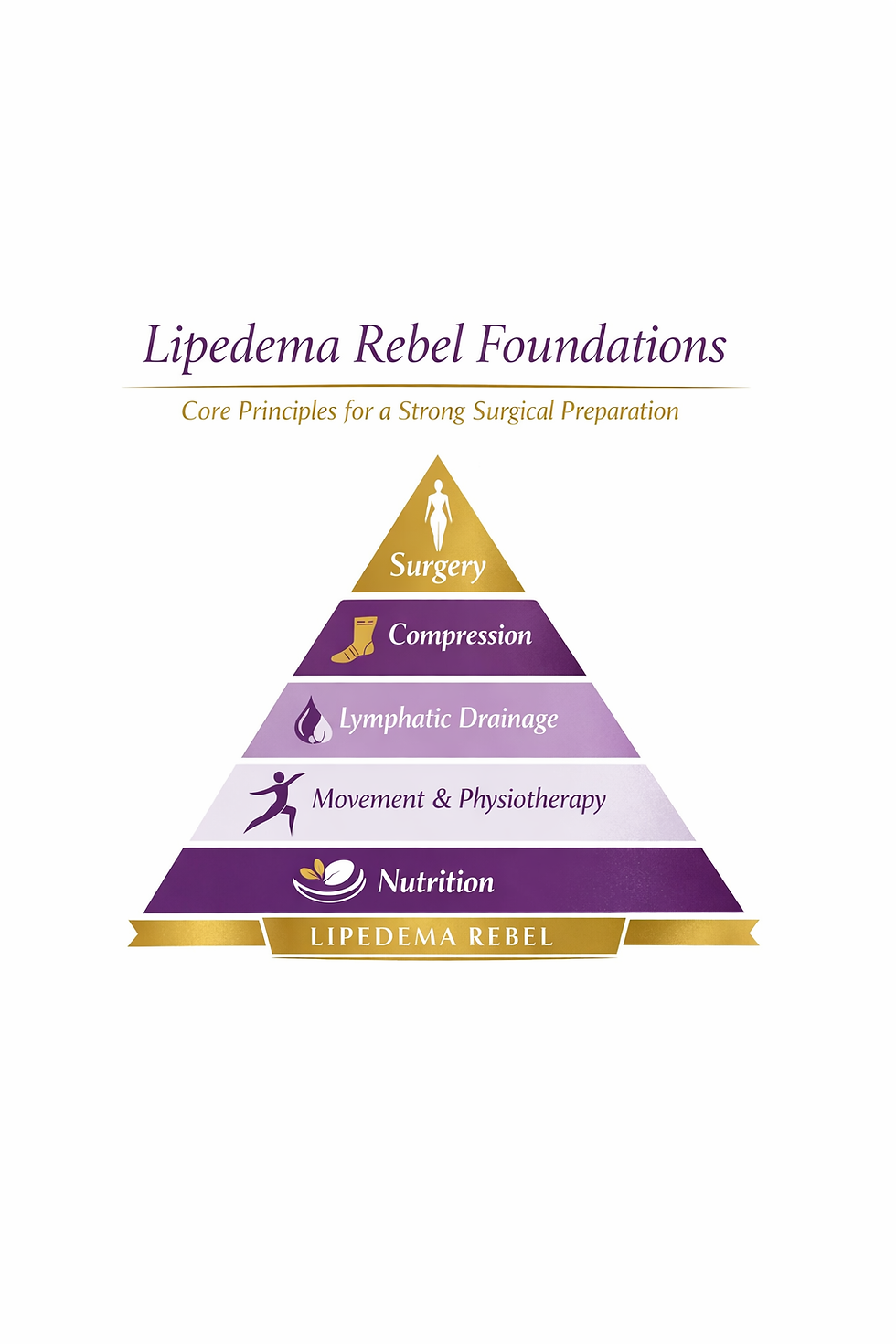
Through the Lipedema Rebel Foundations™, we focus on the key pillars that support your body long-term — including recovery, compression, lymphatic care, lifestyle, nervous system support, and daily management.
Because there is no one-size-fits-all solution. Your treatment plan should be built around your body, your needs, and your life.

Comments