

How Effective Preparation Can Transform Lipedema Surgery Outcomes

Lipedema surgery is often seen as a single event, a moment when the body is treated and the problem is solved. From my own experience and working closely with women facing lipedema, I have learned that the surgery itself is only part of the story. What happens before and after the procedure plays a crucial role in shaping the results and the overall recovery experience. Preparation is not just about scheduling appointments or arranging transportation; it involves physical readiness, emotional strength, and a clear recovery plan.
When preparation is missing or incomplete, lipedema recovery can feel overwhelming, confusing, and more painful than expected. On the other hand, a structured approach to preparation makes the entire process smoother, more predictable, and less stressful. In this post, I want to share why preparation matters so much and how it can transform your journey through lipedema surgery.
Understanding Your Body’s Condition Before Surgery
Before undergoing lipedema surgery/surgeries, it is essential to have a clear understanding of your body’s current state. This means more than just knowing your diagnosis. It involves:
Detailed medical evaluation: Work with your healthcare team to assess the severity of lipedema, any related conditions, and your overall health.
Body composition awareness: Understanding where lipedema fat accumulates and how it affects your mobility and comfort.
Lifestyle factors: Nutrition, exercise habits, and stress levels all influence how your body will respond to surgery and heal afterward.
Knowing these details helps set realistic expectations. For example, if you have advanced lipedema with significant fat accumulation and skin changes, your recovery might take longer and require more support. Preparing your body through gentle exercise and a balanced diet can improve circulation and reduce inflammation, making surgery safer and recovery easier.

Understanding the body’s condition before lipedema surgery helps set realistic recovery goals.
Planning Recovery Realistically
One of the biggest challenges women face after lipedema surgery is managing recovery expectations. Surgery is not a quick fix; it requires time, patience, and careful attention. Preparing for recovery means:
Scheduling enough time off work and daily responsibilities. Many women underestimate how much rest they will need.
Arranging help at home. Tasks like cooking, cleaning, and childcare might be difficult during the first weeks.
Understanding post-operative care. This includes wearing compression garments, attending follow-up appointments, and managing pain or swelling. Don't forget it is good to plan a home nurse for the first days after your surgery.
By planning realistically, you reduce the risk of frustration and emotional distress. For example, one woman I worked with planned for three weeks of rest but ended up needing five. Because she had arranged support and flexible work options, she avoided unnecessary stress and focused on healing.
Building a Structured Post-Operative Approach
Recovery after lipedema surgery is a process that benefits greatly from structure. This means having a clear plan for each phase of healing:
Immediate post-surgery care: Focus on wound care, pain management, and gentle movement.
Gradual increase in activity: Slowly reintroduce walking and light exercise to improve circulation. You can start with a vibration platform.
Long-term maintenance: Continue wearing compression garments and follow a healthy lifestyle to support lasting results.
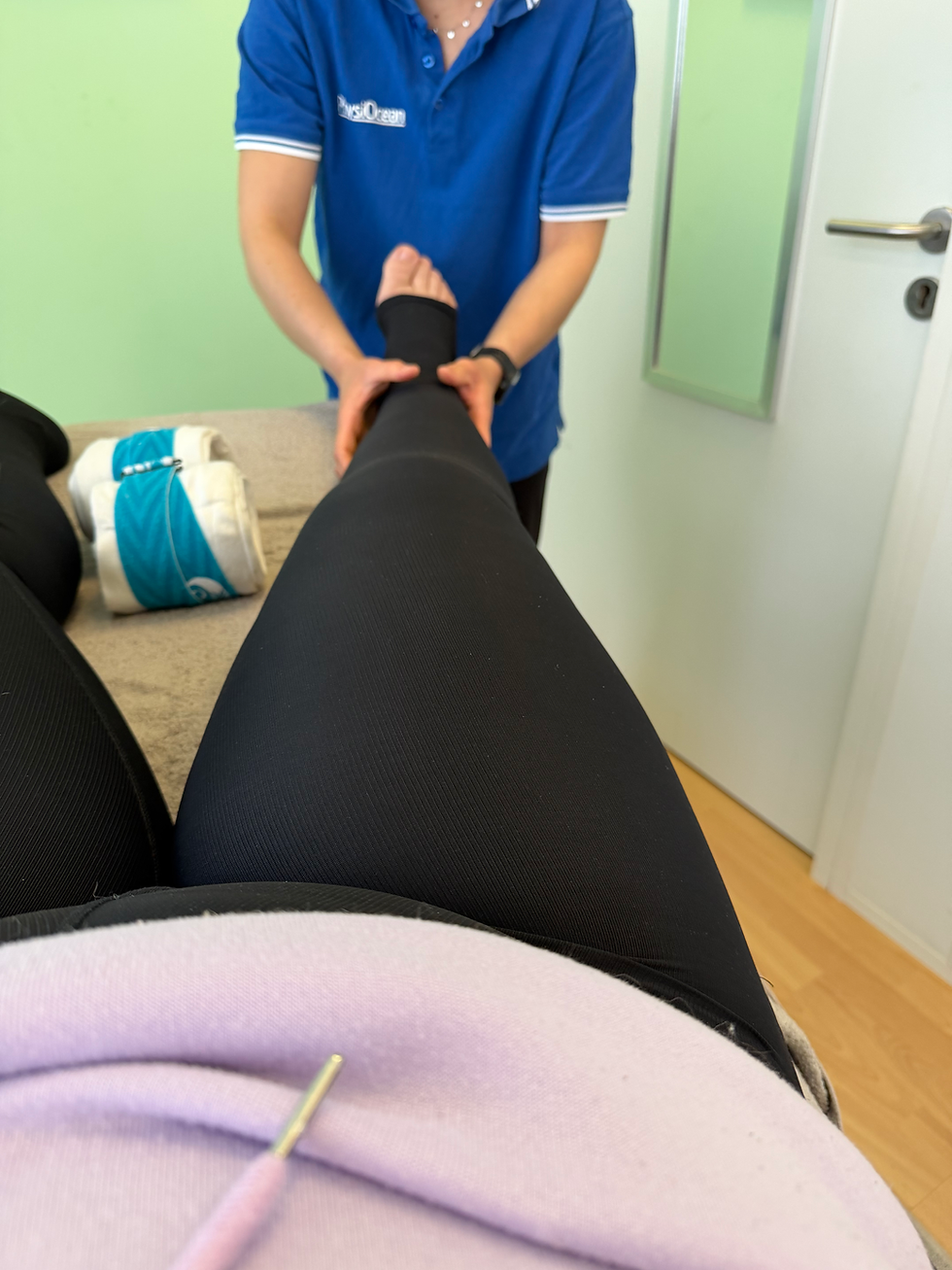
A structured approach also includes emotional support. Surgery can bring up feelings of vulnerability, anxiety, or frustration. Connecting with support groups or a lipedema mentor familiar with multiple lipedema surgeries can make a big difference.
Emotional Preparation Matters
Physical readiness is only one part of preparation. Emotional preparation is equally important. Surgery can be a rollercoaster of emotions, from hope and excitement to fear and uncertainty. Preparing emotionally means:
Educating yourself about the surgery and recovery process. Knowledge reduces fear of the unknown.
Setting realistic goals and being patient with yourself. Healing takes time and may not be linear.
Building a support network. Friends, family, or fellow lipedema warriors can provide encouragement and understanding.
In my experience, women who prepare emotionally recover with more confidence and less anxiety. They are better able to listen to their bodies and communicate their needs to their care team.
Why Preparation Changes the Outcome
When preparation is thorough, lipedema surgery outcomes improve in several ways:
Faster physical recovery: The body is ready to heal, reducing complications.
Better pain management: Knowing what to expect helps manage discomfort.
Improved emotional resilience: Women feel more in control and less overwhelmed.
Sustained results: A structured recovery plan supports long-term benefits.
Without preparation, recovery can feel like a confusing and exhausting journey. Women may struggle with unexpected challenges, leading to frustration or even setbacks.
Taking Control of Your Lipedema Surgery Journey
Lipedema surgery is a significant step, but it is not a standalone event. The way you prepare before and support yourself after surgery shapes your entire experience. By understanding your body, planning realistically, building a structured recovery plan, and preparing emotionally, you can transform your lipedema surgery outcomes.
If you are considering lipedema surgery, start by gathering information, talking to your healthcare team, and creating a detailed plan. Reach out to others who have been through the process and seek guidance from professionals who understand lipedema. Preparation is your strongest tool for a smoother recovery and better results.
Your journey with lipedema surgery is about more than the procedure itself. It is about caring for your body and mind every step of the way.
Looking for practical surgery preparation support?
I created a free Lipedema Surgery Preparation Guide inspired by my personal experience and the lessons I learned throughout my own surgical journey.
Inside, you’ll find practical preparation tips for:
physical preparation
nutrition & supplements
supportive therapies
homeopathic preparation
immediate post-op support
the first 8 days after surgery
ongoing recovery support
mobility & physical recovery
return to activity
topical recovery support


Comments